
About the company
For those who care about animals, nature and pure taste.
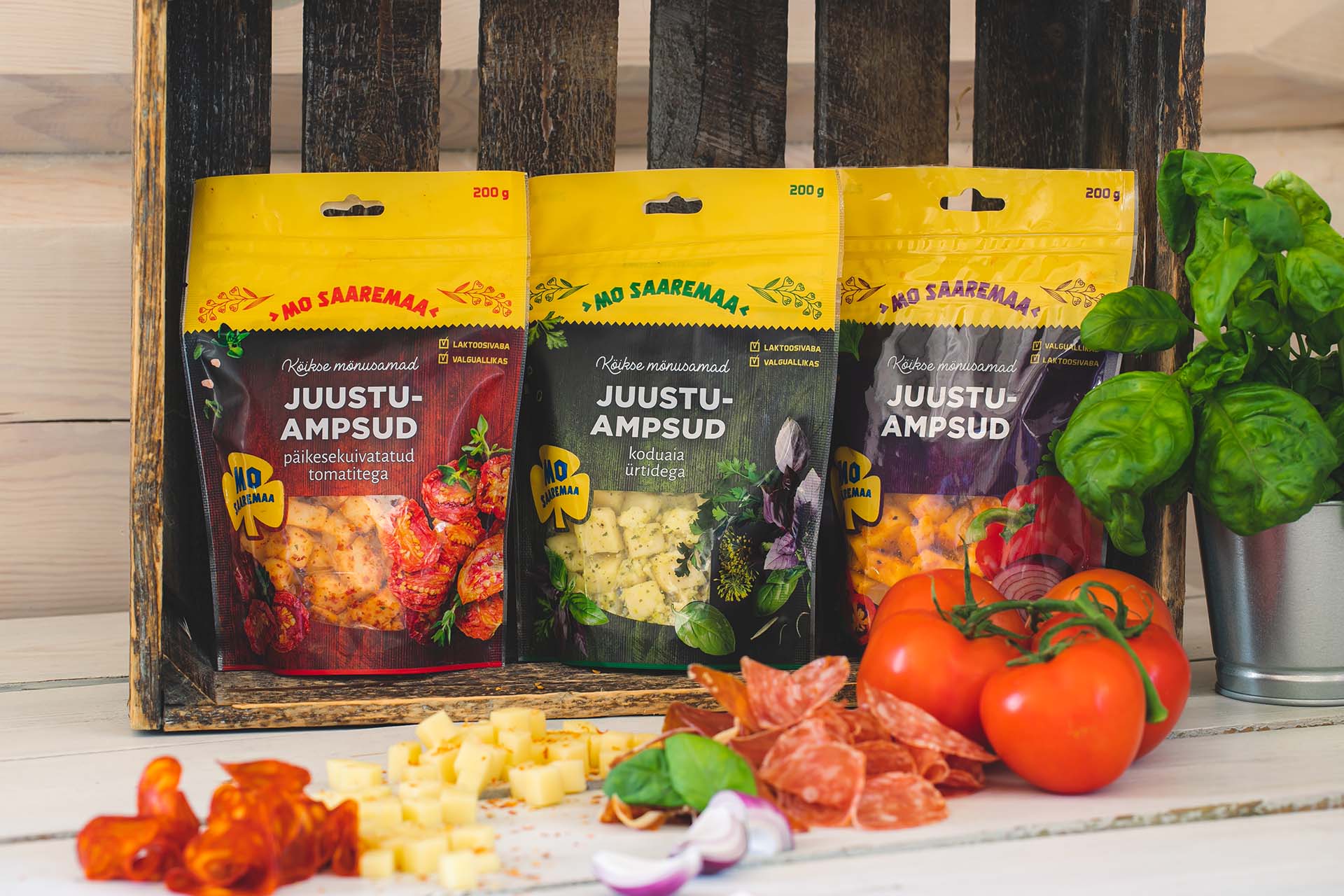
MO Saaremaa is wholly owned by our islands’ farmers and their families. From the taste of unspoilt nature, meadows with unique flora and a longer summer.
Me teeme kõik selleks, et väärindada saartelt kogutud piima ja tagada keskkonnasõbralik piimatootmine- ja töötlemine Läänemere ühel suuremal saarel.
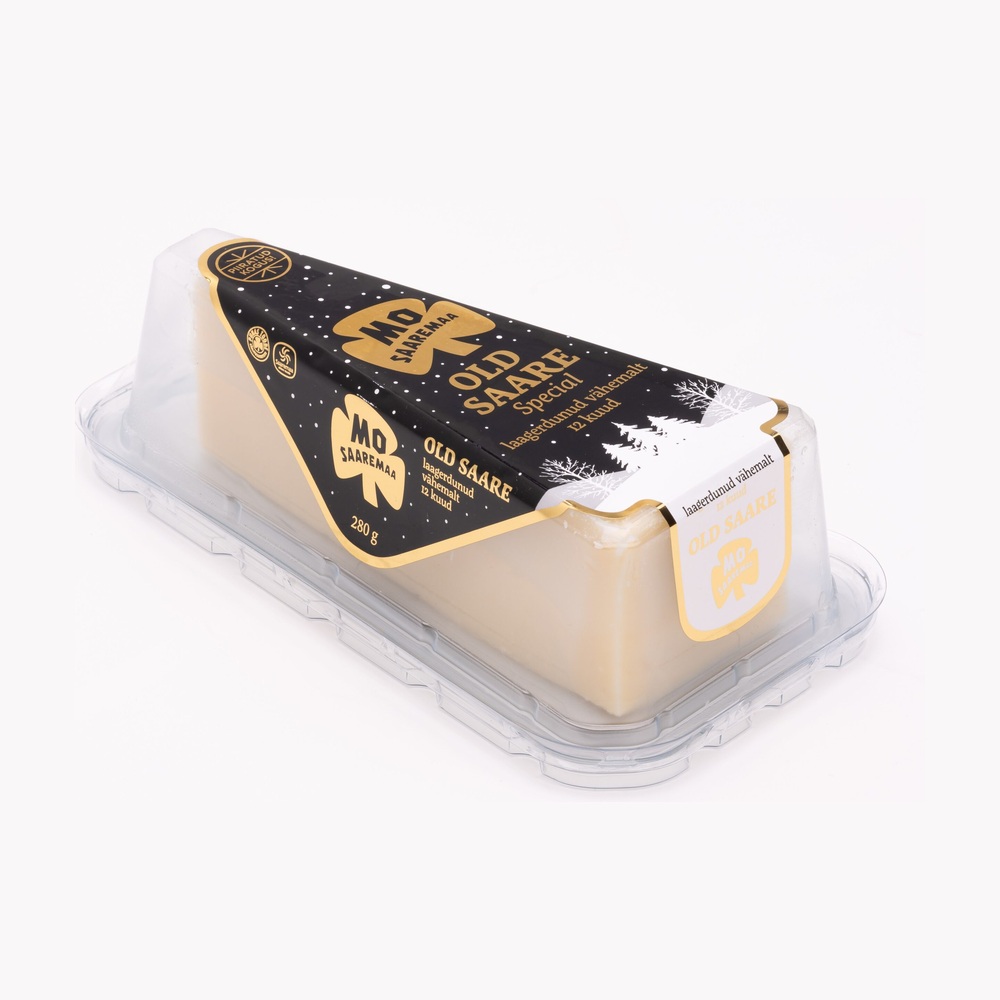
Saaremaa Piimatööstuse ülesandeks on saarte piima kokkuost ning sellest juustu, või ja piimatoodete valmistamine. Meie tooteportfellist leiad Eesti kõige armastatuma või, eksklusiivse Old Saare juustu ning ehedat loodust õhkava mahepiima.
Greetings from Estonia's sunniest island, and thank you for choosing Saaremaa Piimatööstus products.
History
1569
The first written records of cheesemaking on Saaremaa in the area around Maasi Castle.
1843
marks the beginning of an unbroken record of cheesemaking on Saaremaa.
1870-1910
according to written records, there were nearly 50 manor dairies on Saaremaa, many of which also made cheese.
1875
onwards, the famous Swiss cheesemakers Schlupp, Imhof and String operated on Saaremaa.
1887-1930
cheesemaker Albert Schlupp won nearly twenty gold and silver medals at local exhibitions and fairs, as well as those in St Petersburg, Moscow, Berlin, Milan and elsewhere.
1890
the cream separator arrived on Saaremaa at Maasi Manor.
1985
is the year of the first photographs of buttermaking on Saaremaa.
1899
cheese received high honours at the Baltic exhibition and fair in Riga.
1912-1913
the first dairy cooperatives on Saaremaa were established in Valjala and Püha.
1923
onwards, 25 dairy cooperatives were established, of which ten remained by 1940.
1930
during these years, Pöide Piimaühing ranked among Estonia's leading dairy cooperatives in terms of turnover and export butter production.
1932
The silver jug introduced by the Saare County Government as a challenge trophy for export butter producers was often held by the dairies of Pöide, Muhu and Tõlluste.
1950
Saaremaa's dairy cooperatives were nationalised and butter factories were established.
1955
a cheese-washing machine built at Pöide Dairy was exhibited at Estonia in Tallinn. Melešen and Ruber butter were produced on Saaremaa for the first time. The latter developed into modern cultured butter production.
1958
Saaremaa Piimatoodete Kombinaat was established on the basis of the butter factories.
1963
Eesti Näidisjuustutööstus was completed in Valjala, using cheese vats and mobile cheese-ripening racks.
1965
the combine's central production facility was completed in Kuressaare.
1966
skimmed milk powder production began on Saaremaa for the first time, and ice cream production resumed in Kuressaare.
1967
the company received recognition in Estonia for the centralised collection of milk from local residents.
1975
Kingissepa Lihakombinaat was merged with the dairy combine to form Saaremaa Liha- ja Piimatootmiskoondis, headed by Director General Ahti Viilup.
1982
production of whole-milk replacer began.
1987
milk processing on Saaremaa reached its highest volume – nearly 62 thousand tonnes.
1991
the city's wastewater treatment facilities, built under the direction of Saaremaa LPTK, were completed.
1995
Saaremaa's farmers privatised the factory. Saaremaa Liha- ja piimaühistu was established.
1996
the sales company Pinus. was established, and its own building was completed
1997
the company began offering dairy farmers overdraft facilities to buy livestock and equipment.
1998
Saaremaa LPTK was the best manufacturing company on Saaremaa.
2000
the focus shifted to dairy production. Cheesemaking was moved from Valjala to Kuressaare. Kuressaare is now home to Saaremaa's only milk processing company.
2007
the dairy continued as an independent business – the meat processing business was sold.
2008
cheesemaking in Kuressaare was modernised (75 million kroons). At the time, the cheese factory was one of the most modern in the Baltics.
2009
Saaremaa's first robotic milking farm began operating in Valjala.
2012
we became the first in Estonia to produce sweet cream butter with salt crystals.
2012
the new butter production unit begins operating
Where MoSaaremaa milk comes from
13 September 2024
Mo Saaremaa featured on German television
Heute in Europa, a programme on German public broadcaster ZDF, visited Saaremaa and Muhumaa in Estonia and also stopped by Saaremaa Piimatööstus. Watch the segment at the following link https://www.zdf.de/nachricht
27 April 2021
Don't waste food. How to store dairy products.
How to store dairy products correctly and avoid waste The use-by/best-before date on the packaging indicates the quality guaranteed by the producer, but it does not necessarily mean the last day on which the dairy product is still
2 March 2021
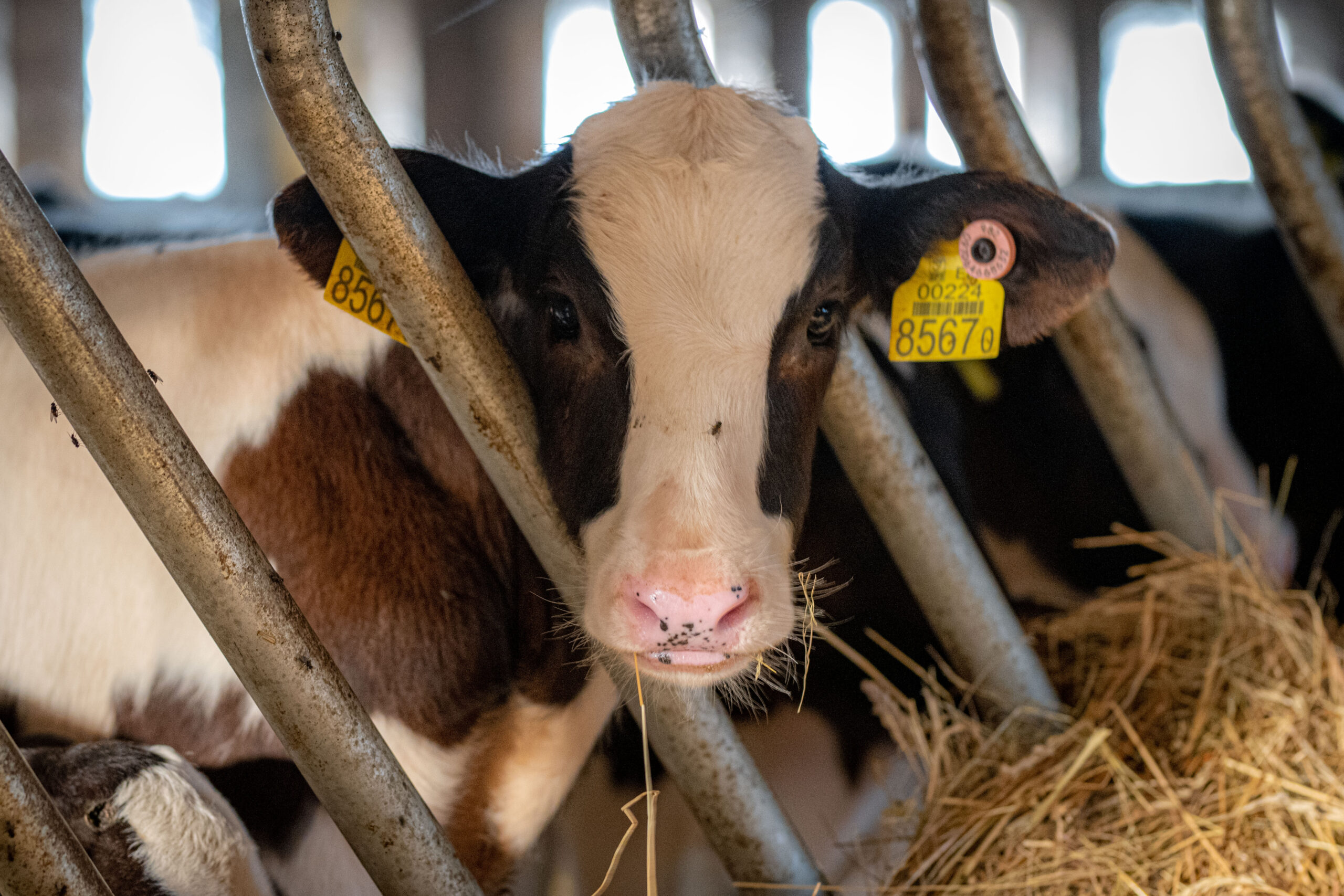
How do we know the cows are comfortable?
Tõnu Post explains: A cow is like a top athlete who achieves great results and sets records, but her well-being needs the same thorough, all-round care as that of an Olympic hero. First, food. What is given to animals in today’s
21 December 2020
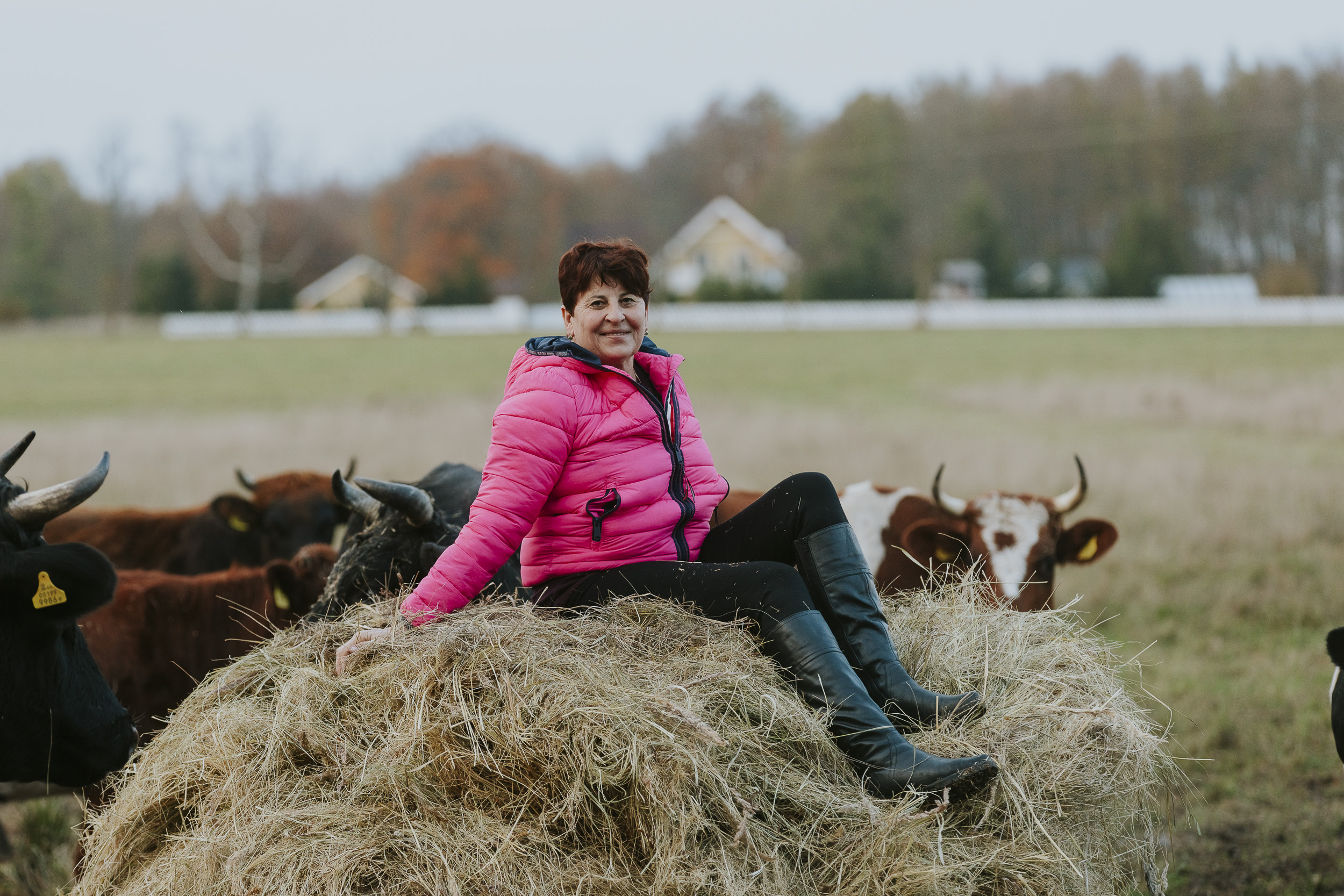
Anne Tiitma: over 30 years of loving animals and farming
All native islanders know that Anne Tiitma, the owner of Rauniku farm in Salme municipality, has a big heart: besides her dairy herd and domestic animals, she also loves looking after wildlife, leaving hay bales in the fields for them in winter
27 November 2020
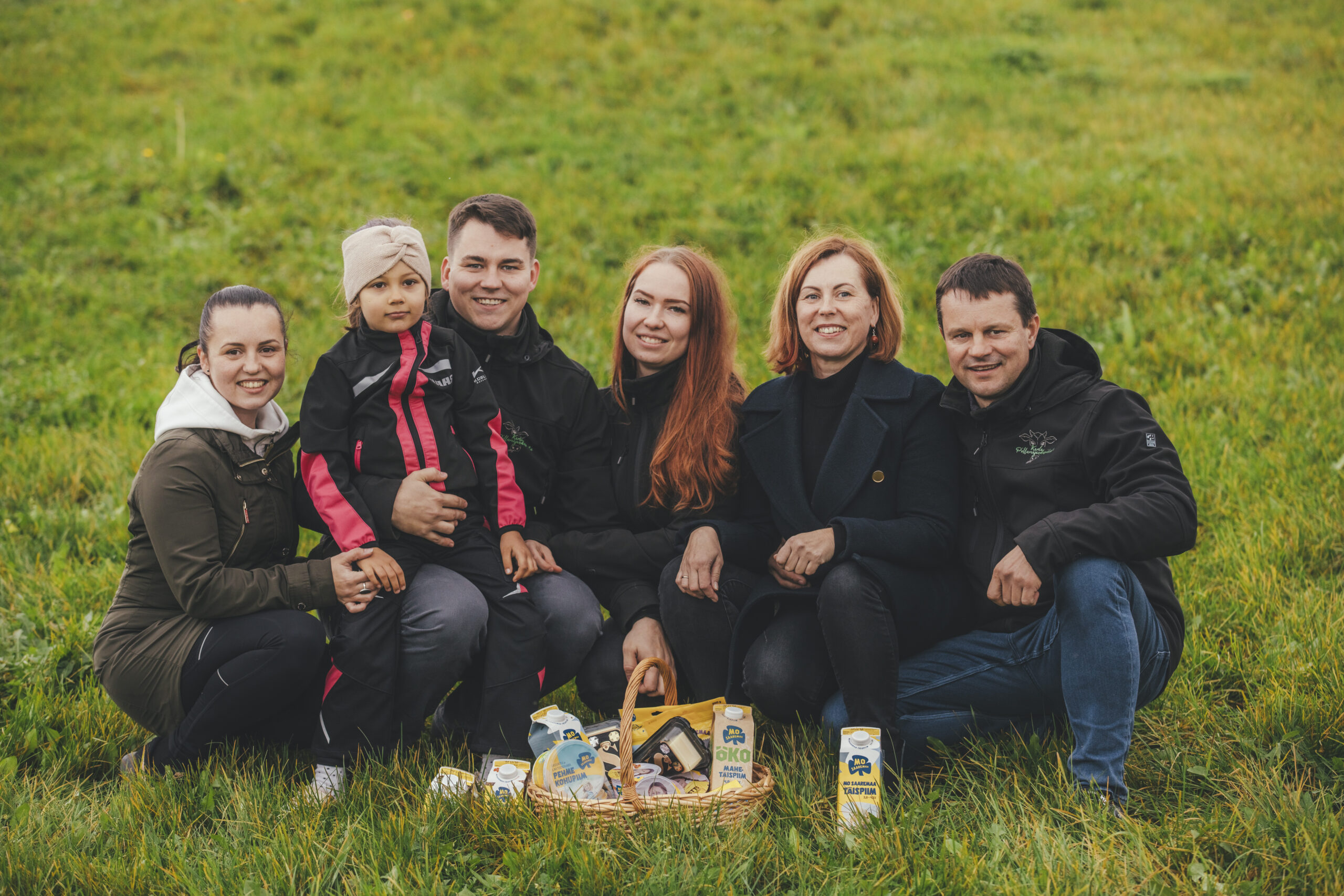
A farmer's insight: efficiency is the key to success
Text and photos by Siiri Soosaar Saaremaa is known for its mild maritime climate, abundant orchids, rally drivers and windmills. In addition, the raw ingredients grown by Saaremaa's farmers and the products made from
18 November 2020
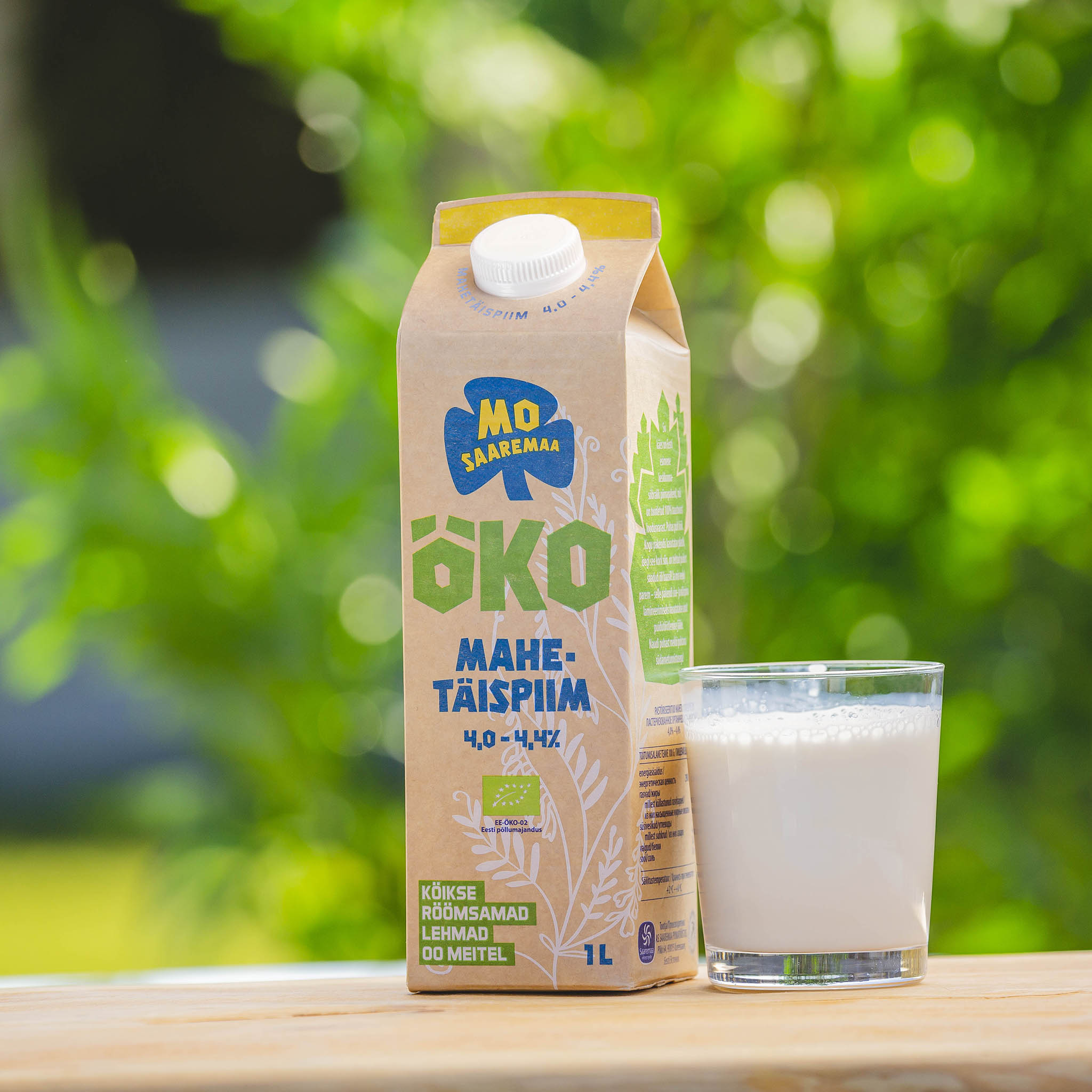
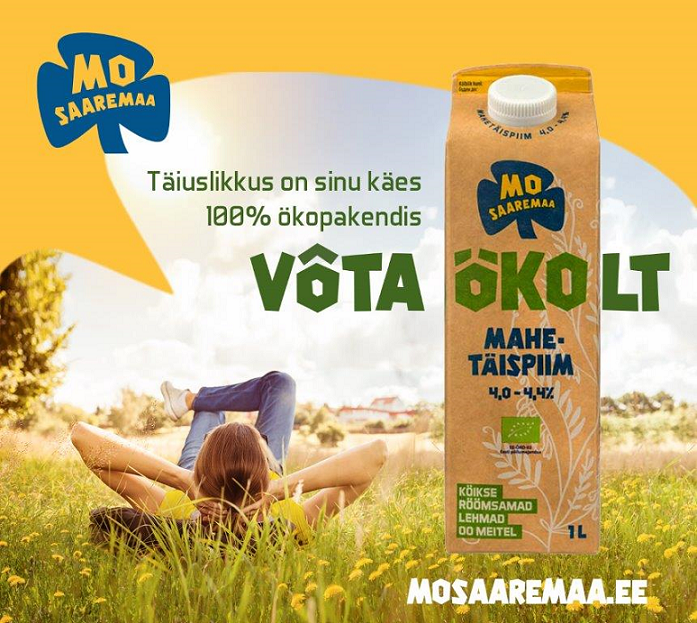
Saaremaa Piimatööstus is Estonia's largest producer of organic dairy products
Saaremaa Piimatööstus is Estonia's largest organic producer. Organic milk from the largest islands in the Baltic Sea is used to produce both milk and cheese. To make Mo Saaremaa organic milk and organic cheese, we use milk from the organic producers in our own cooperative