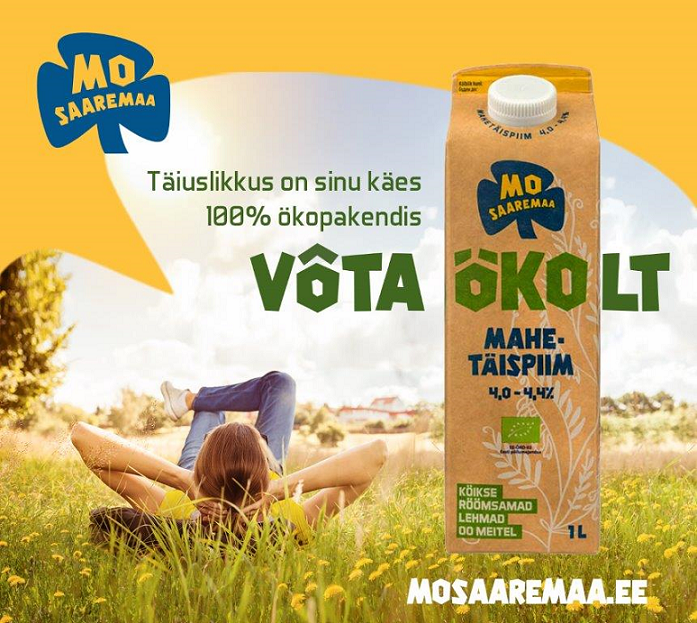
Saaremaa Piimatööstus is Estonia's largest organic producer. Organic milk from the largest islands in the Baltic Sea is used to produce both milk and cheese.
We use milk from the organic farmers in our own cooperative to make MoSaaremaa organic milk and organic cheese. You can find out more about Männaka farm, a dedicated organic producer on Hiiumaa, by reading here.
How does organic livestock farming differ from conventional livestock farming?
As people knew long ago, “a cow is milked through her mouth”, and for a cow to give milk, she must be treated with care and love. This means that organic and conventional livestock farming on Saaremaa and Hiiumaa may not differ greatly.
Organic production does not allow the use of toxic plant protection products, and manure and green manure are used instead of mineral fertilisers. Animals must not be given conventional feed either, as it may contain residues of plant protection products.
Organic production is monitored very closely in Estonia. Samples are taken two or three times a year in both livestock farming and milk production.
All processes, from keeping the animals to the final product, are subject to very strict controls, and the appropriate certification must be applied for before an organic label can be placed on a product.
In short, organic livestock farming takes the animals’ needs into account in everything and puts them first. Cows can go outdoors all year round if they wish, and their feed is subject to particularly close controls.
The legislation governing this sector states, among other things, that the design of organic livestock buildings and facilities and the technology used must ensure that feed and water are easily accessible to the animals, and that air circulation, dust levels, temperature, relative humidity and gas concentrations remain at levels that do not harm the animals’ health. The building where the cows live must allow natural ventilation and admit sufficient natural light.
The barn must have a comfortable, soft and dry resting area of sufficient size for the animal’s species and age. The number of animals in the livestock building must ensure each animal’s comfort and general welfare according to its species and age, with enough room to stand freely, lie down easily, turn around, groom itself and perform species-specific movements.
Cows must have access to an outdoor exercise area all year round.
The feed of organically reared animals must not contain antibiotics, coccidiostats, medicinal substances, growth promoters or other substances intended to stimulate production or growth, nor genetically modified organisms, products consisting of or containing them, or derivatives of genetically modified organisms.
Many organic farms on the islands raise Estonian Red and Estonian Native cattle. The Estonian Native is Estonia’s oldest locally originating dairy cattle breed, developed from indigenous cattle and adapted to local conditions. Its milk is “richer and sweeter”, with a high fat, protein and lactose content. Thanks to their efficient feed conversion, Estonian Native cattle need a 20-24% smaller manure storage facility, which means theirecological footprint is smaller.Estonian Native cattle are part of the cultural heritage of our country and people.
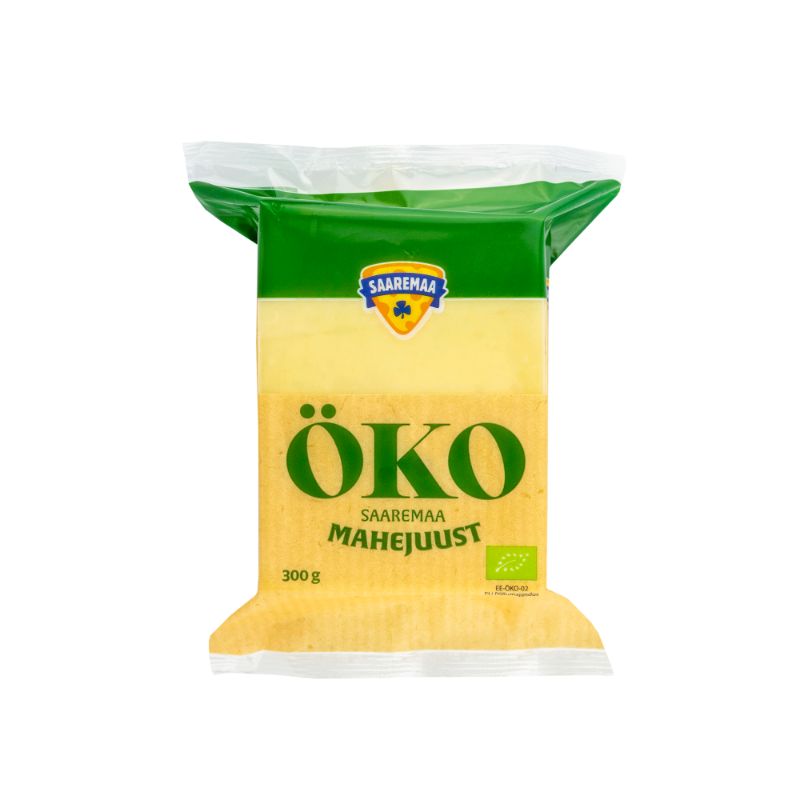
Öko organic cheese 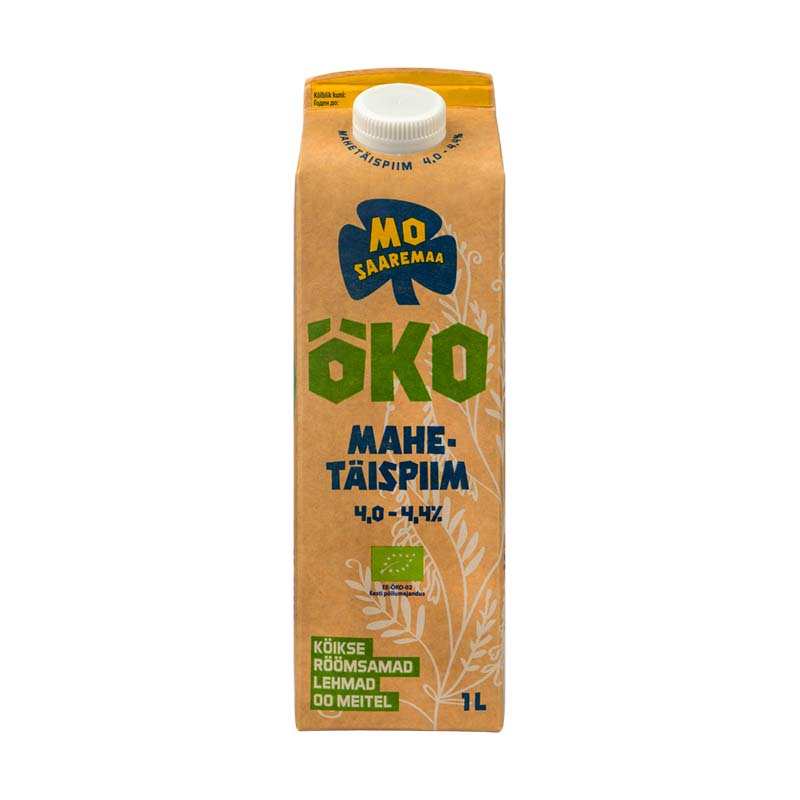
MoSaaremaa Öko organic milk 
Organic certificate MoSaaremaa Öko organic milk
By choosing organic milkyou support farming that works with nature and respects animals’ species-specific needsand help fight climate change
You can read more detailed requirements for organic livestock farming at this link.