
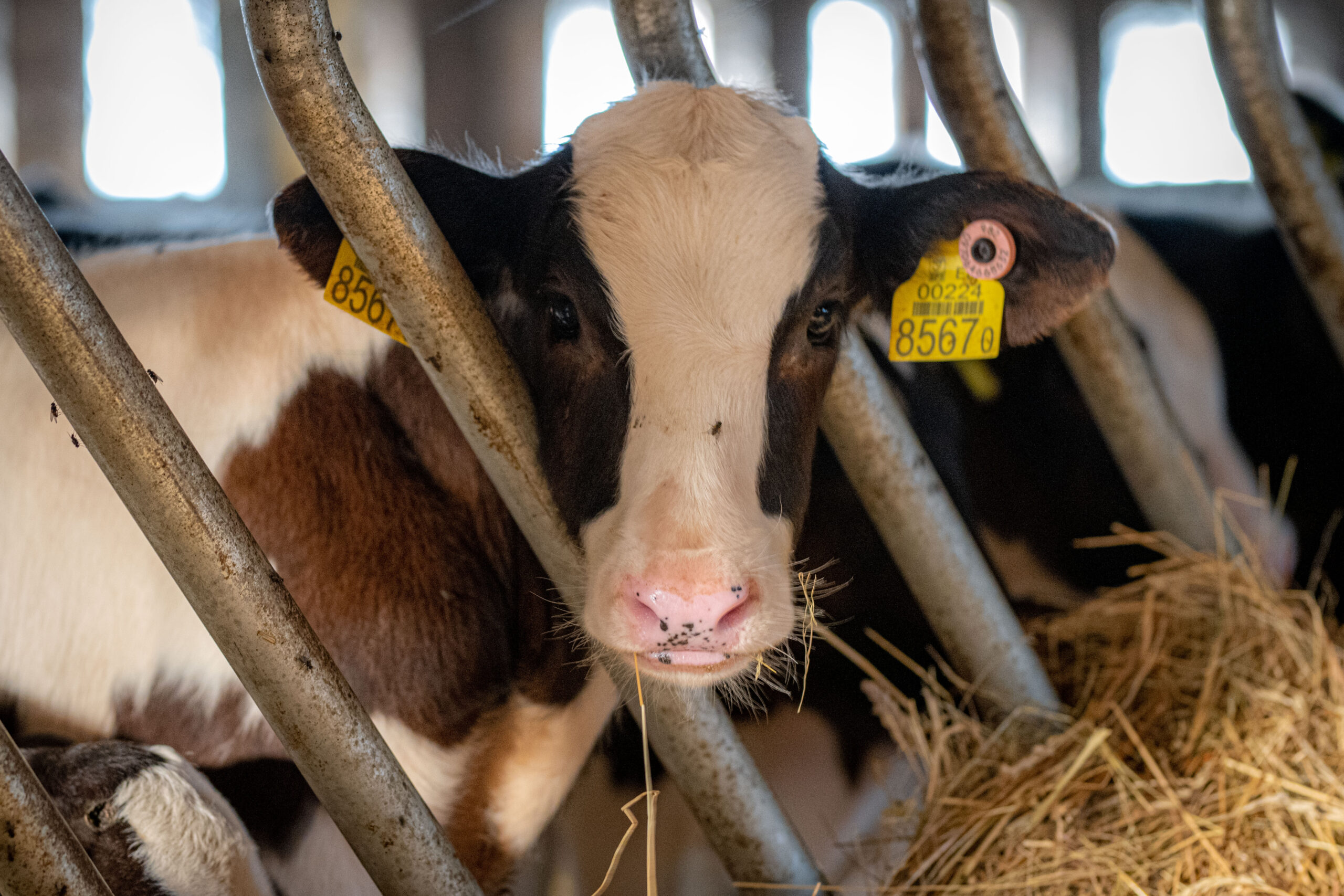
Tõnu Post explains:
A cow is like a top athlete who achieves great results and sets records, but her well-being needs the same thorough, all-round care as that of an Olympic hero. First, food. What animals are given on a modern dairy farm has long since ceased to be just feed, put out on the assumption that they will eat whatever is available because they have no choice. Attitudes have changed radically over time, and modern animal feed represents nature, science and technology at their most advanced.
Besides making sure the animals in our care are well fed, we must ensure that the cow is comfortable in the barn. I always tell new employees that they should treat a cow like a friend. Poor treatment stresses animals and makes them susceptible to illness. We know that animals cannot speak, but they still communicate with one another, and they can tell if a stockperson treats them badly.
A cow’s well-being is measured by how much time she spends lying down. A cow sleeps for up to four hours a day; the rest of the time she eats, chews her cud and produces milk. When I drive past the barn in the mornings, I see the cows in my top-producing group resting comfortably in their stalls after being milked and having a small morning meal. Only a few are still pottering around by the feeding table, and through the open doors the barn looks almost empty. That is a pretty sure sign that the cows are very comfortable and content.
Cows have a very strong herd hierarchy. Their horns are removed while they are still calves so that they do not hurt one another.
A herd of cows does not have a single leader whom all the others obey and fear. In their hierarchy, one cow may fear another while herself ranking above a third. But just as in human groups, some are strong and others get bullied. That is why there must be enough space in the barn, so that all the cows get enough to eat and have a place of their own.
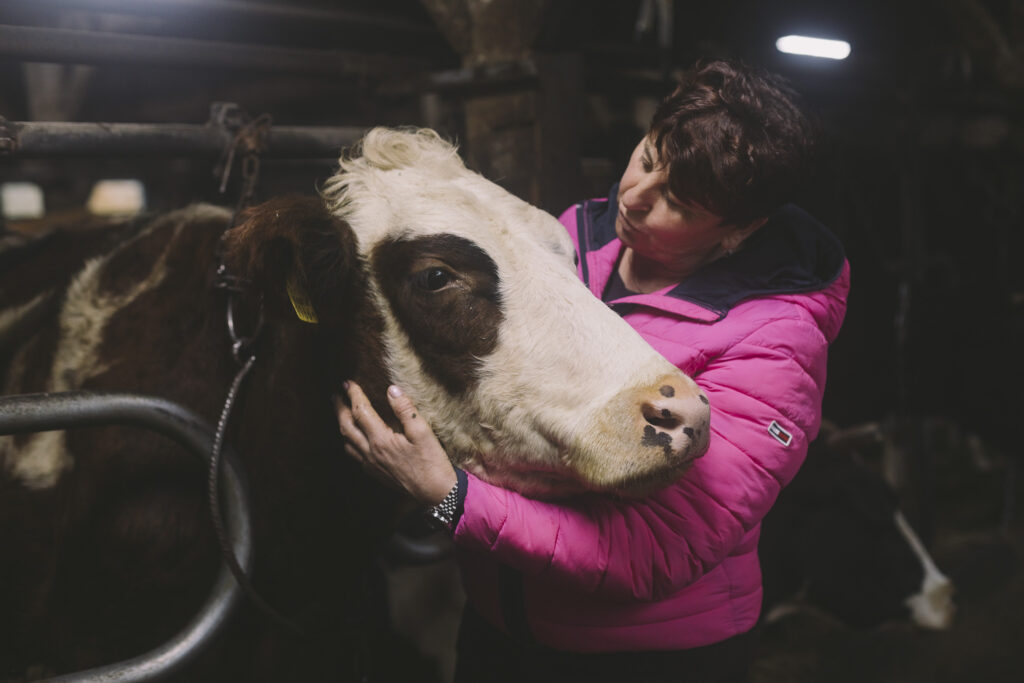
Rauniku farm 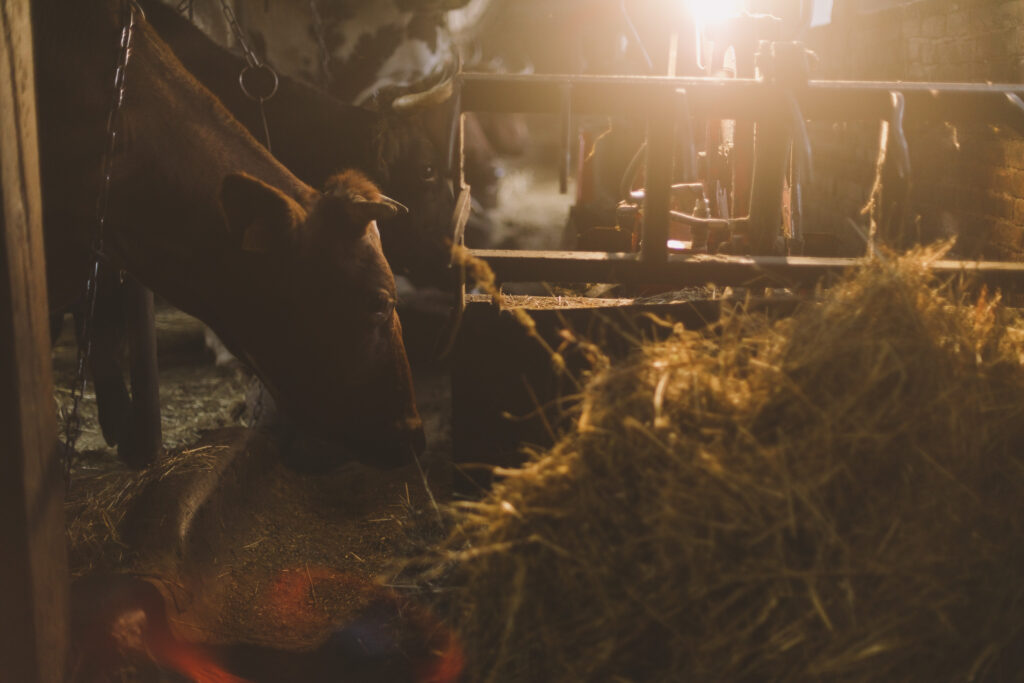
Rauniku farm 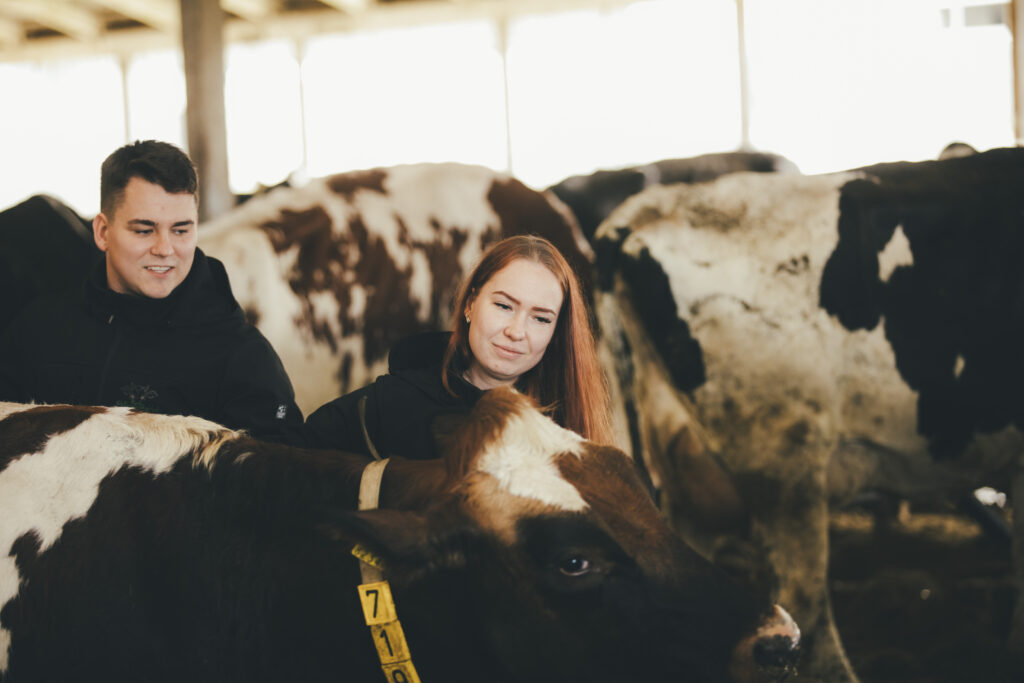
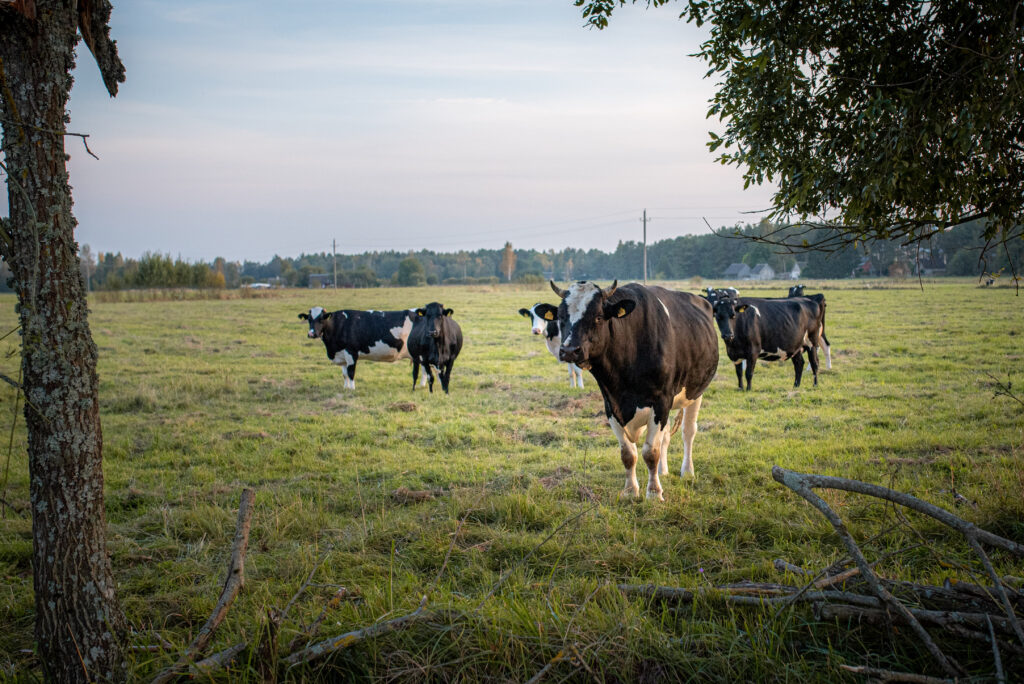
The days when cows were kept tethered are long gone. Organic cows must be able to move freely both indoors and outdoors. Their horns have been ground down for their own safety.