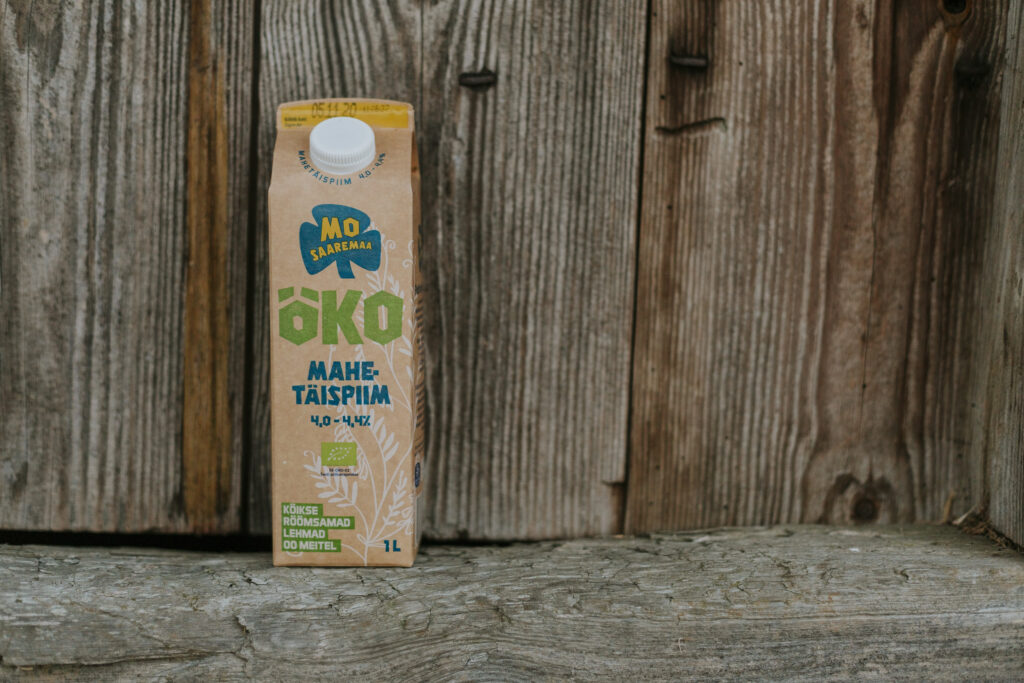
Milk produced on Saaremaa is special because of its origin, as the abundance of plant species gives the milk a richer flavour profile, and raw milk produced in such a naturally and ecologically cleaner environment adds value to the milk.
Saaremaa Piimaühistu organic farmer Jaan Kiider:
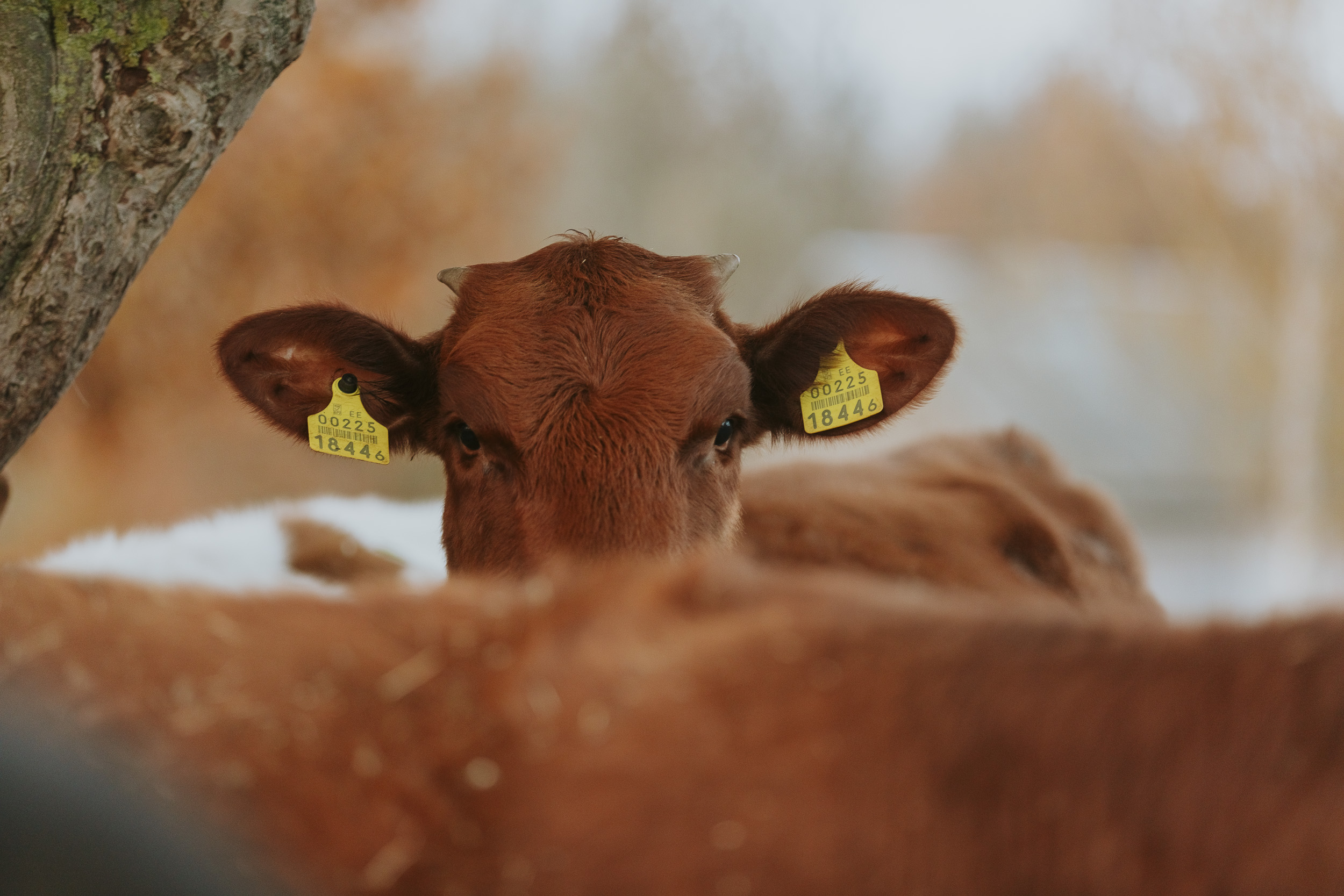
Around our cowshed we have cultivated grasslands, where we sow a special pasture seed mix containing at least five different plant species that the animals need, such as white clover, bird’s-foot trefoil and grasses including red fescue and ryegrass. Other grasses grow as nature wills. Natural pastures are, of course, particularly rich in species, and if a cow happens to bite into an orchid or another more flavourful plant, you can later detect and enjoy a hint of that luxury in a pack of organic milk or cheese.
On Saaremaa there are no long distances when transporting milk, which avoids unnecessary sloshing.
There are no moles on Saaremaa or Hiiumaa. When grass is cut for silage on the mainland, the mower blade cuts close to the ground, and because there are molehills, some soil inevitably ends up in the silage. This includes both good and bad bacteria found in the soil.
On Saaremaa, however, no soil gets mixed in, so the milk has a cleaner taste (because the animal feed is cleaner).
Saaremaa is Estonia’s Sunshine Capital. According to Statistics Estonia, the sunniest area in Estonia is the Sõrve peninsula on Saaremaa, where you can enjoy 2101-2200 hours of sunshine a year. Lääneranna’s Puhtu-Laelatu nature reserve’s northern area is the world’s most species-rich wooded meadow. The milk’s distinctive flavour comes from the biodiversity of the islands and the west coast.
Because small-scale producers graze their cows on natural grasslands more often, their milk has more of this distinctive flavour.